For the bigger picture and full context, make sure you read our main guide on LoL Logo: League Of Legends Golden Image Evolves.
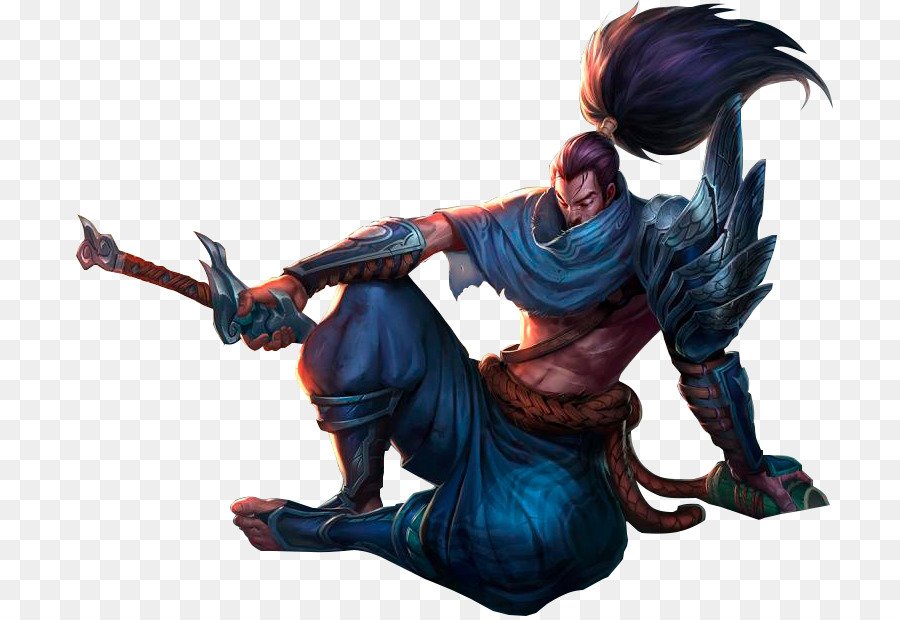
Need a transparent League of Legends graphic for your fan project, stream overlay, or merchandise design? Finding the right 'league of legends png' can be tricky, especially when you need a high-quality image without a distracting background.
At a glance:
- Discover where to reliably source League of Legends PNG images.
- Learn how to assess image quality and licensing.
- Understand how to ethically use LoL imagery in your projects.
- Find tips for optimizing PNGs for various platforms.
Why Finding the Right League of Legends PNG Matters
A blurry or low-quality image can ruin an otherwise great design. A crisp, transparent League of Legends PNG, on the other hand, elevates your work, lending it a professional touch. But it's more than just aesthetics. Using authentic, properly licensed imagery also shows respect for Riot Games' intellectual property and avoids potential legal issues. Let's delve into how to find and use these images responsibly.
Sourcing High-Quality League of Legends PNGs
The internet is awash with images, but not all are created equal (or legally obtainable). Here's a breakdown of where to look and what to watch out for:
- Official Riot Games Resources: This is your safest bet. Riot Games often provides official assets for press and fan use on their media or developer sites. While directly offering individual PNG downloads isn't always available, promotional art or champion spotlights are prime candidates for extraction, if permitted within their terms of service.
- League of Legends Fan Sites & Communities: Many dedicated LoL fan sites and communities curate collections of game assets. These can be useful, but exercise caution. Always check the source and ensure the images are properly attributed and free to use for your intended purpose. Look for sites that explicitly state the licensing terms for their assets.
- Dedicated Icon and Graphic Websites: While not exclusively LoL-focused, sites like DeviantArt or specialized gaming asset repositories might host League of Legends PNGs created by fans. Again, verifying the license is crucial. Are you allowed to use it commercially? Does the creator require attribution?
- DIY Extraction: If you have access to the game or high-resolution screenshots, you could technically extract PNGs yourself. However, this treads a very fine line legally. Unless you have explicit permission from Riot Games, using in-game assets for commercial purposes is generally prohibited. Even for non-commercial use, consider whether it violates the game's terms of service.
Example: A streamer wants to create custom overlays featuring champion icons. Sourcing these icons from an official Riot Games press kit (if available) is far more reliable and legally sound than scraping them from a random website.
Evaluating Image Quality: Beyond the File Extension
Just because an image is saved as a PNG doesn't guarantee its quality. Here's what to look for:
- Resolution: Higher resolution generally means a sharper image, especially important for designs that will be scaled up. Aim for at least 300 DPI (dots per inch) for print projects. For web use, consider the dimensions required for the specific application (e.g., a 50x50 pixel icon for a website).
- Transparency: A true PNG has a transparent background, allowing it to seamlessly blend into any design. Check for a checkerboard pattern in the background when viewing the image in an editor. If you see a solid color instead, it's likely a fake PNG with a background that will need to be manually removed.
- Artifacts: Look for compression artifacts (blockiness or blurring) around the edges of the image, especially in areas with fine details. This is a sign of a low-quality or heavily compressed PNG.
- Color Accuracy: Ensure the colors in the PNG accurately represent the intended colors. Washed-out or distorted colors can detract from the overall design.
Practical Tip: Before committing to an image, zoom in to 200% or 300% to inspect it closely for any of these issues.
Ethical Considerations: Respecting Riot Games' IP
League of Legends and its associated imagery are intellectual property owned by Riot Games. It's essential to respect their rights and use their assets responsibly.
- Non-Commercial Use: Personal projects like wallpapers or fan art are usually fine, but always consult Riot's legal guidelines.
- Commercial Use: Using League of Legends PNGs for commercial purposes (e.g., selling merchandise, creating paid content) requires explicit permission from Riot Games. This usually involves obtaining a license or partnership agreement. Assume you cannot use their IP commercially unless you have written permission.
- Attribution: Even with permission, proper attribution is often required. Credit Riot Games as the source of the imagery.
- Terms of Service: Familiarize yourself with Riot Games' Terms of Service and Legal Jibber Jabber page on their website. This document outlines what you can and cannot do with their intellectual property.
Case Snippet: A small esports team wanted to create custom jerseys featuring League of Legends champion artwork. Before proceeding, they contacted Riot Games to inquire about licensing options. This proactive approach prevented potential legal issues and demonstrated respect for Riot's IP.
To further understand the evolution of the League of Legends logo, which often appears in PNG format across the web, Here are a few options, aiming for naturalness and context: * LoL Logo Evolution Explained * The Golden LoL Logo History * Read about League's logo * LoL Logo: A Visual Journey.
Optimizing League of Legends PNGs for Different Platforms
Once you've found a suitable League of Legends PNG, you may need to optimize it for its intended use:
- Web Use: Compress the image to reduce file size without sacrificing too much quality using tools like TinyPNG or ImageOptim. Smaller files load faster, improving website performance.
- Print Use: Ensure the image has a high enough resolution (300 DPI) for crisp printing. Use a lossless compression method to avoid artifacts.
- Social Media: Optimize the image dimensions for the specific platform (e.g., Twitter, Facebook, Instagram). Compressing images can also help them display properly.
- Software Compatibility: Different software programs handle PNGs differently. Test the image in your target software to ensure it displays correctly.
Example: A website uses several League of Legends champion icons as navigation buttons. Compressing these PNGs by 50-70% significantly improved page load times without noticeably affecting the visual quality.
Practical Playbook: Finding & Using LoL PNGs Responsibly
Here's a simple decision tree to guide you:
- Purpose: Is this for personal/non-commercial use, or commercial use?
- Source: Can you find the image on an official Riot Games resource? If so, proceed with caution, checking their usage guidelines.
- License: If not from Riot, is the license clearly stated? Does it allow your intended use?
- Quality: Does the PNG have sufficient resolution, transparency, and color accuracy?
- Optimization: Have you optimized the PNG for the target platform?
- Attribution: If required, have you properly attributed Riot Games and/or the image creator?
Implementation Tips:
- Create a folder to organize your League of Legends PNG assets, along with a text file documenting their sources and licenses.
- Use a consistent naming convention to easily identify the images and their purposes (e.g., "ahri_icon_300dpi.png").
- Regularly check Riot Games' website for updated legal guidelines and asset packs.
Quick Answers: Common Questions About League of Legends PNGs
Q: Can I use League of Legends PNGs in my Twitch stream overlays?
A: For non-commercial streams, it's generally acceptable, but always check Riot's streaming guidelines for specifics. Consider providing attribution to Riot Games in your stream description. For monetized streams (e.g., with subscriptions or donations), it's safer to seek explicit permission.
Q: Where can I find PNGs of specific League of Legends champions?
A: Start with the official League of Legends website or Riot Games' media resources. Fan sites and communities may also have collections, but always verify the license.
Q: Is it OK to edit or modify League of Legends PNGs for my project?
A: It depends on the specific license or terms of use. Some licenses allow modifications, while others do not. Always read the fine print before altering any copyrighted material.
Q: What if I can't find the license information for a League of Legends PNG?
A: If you're unable to determine the license, it's best to err on the side of caution and avoid using the image. It's better to be safe than sorry when it comes to copyright infringement.
Actionable Close
Finding and using 'league of legends png' images for your projects doesn't have to be a legal minefield. By prioritizing official sources, carefully evaluating image quality, respecting Riot Games' intellectual property, and optimizing your images for specific platforms, you can create stunning designs while staying on the right side of the law. Take the time to do it right, and your creations will shine.